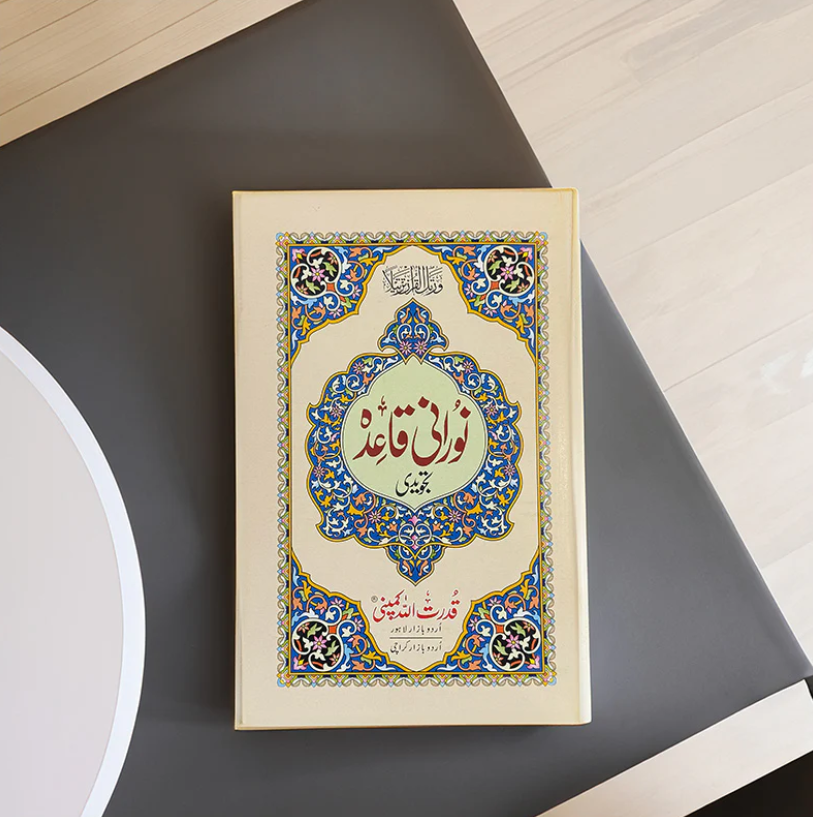
How to Teach Noorani Qaida to Kids with Tajweed Rules
Teaching the Quran to children starts with Noorani Qaida, the foundation for learning Arabic letters, pronunciation, and basic Tajweed rules. Parents often wonder how to guide their kids effectively at home. This step-by-step guide will show you how to teach Noorani Qaida to kids while introducing the Tajweed rules that naturally come with it.
Introduce children to the Arabic alphabet (ا to ي). Use flashcards, charts, or colorful visuals to make it engaging. Let them recognize letters first before moving to sounds.
Step 2: Teach Letter Sounds (Makharij)
Explain where each letter comes from (lips, tongue, throat) so children can pronounce letters correctly. Example:
ب (Ba) → from the lips
ق (Qaaf) → from the throat
Step 3: Introduce Harakat (Vowels)
Teach short vowels: Zabar (َ ), Zer (ِ ), Pesh (ُ ). Practice combining letters with vowels to make simple words. Example: با, بي, بو
Step 4: Practice Words and Short Sentences
Once kids are familiar with letters and vowels, form simple two- or three-letter words. Encourage them to read aloud daily to build confidence.
Step 5: Introduce Tajweed Rules in Noorani Qaida
Noorani Qaida naturally includes basic Tajweed rules. Teach these gradually:
Makharij (Points of Articulation): Teach kids the correct place to pronounce each letter.
Harakat (Vowels): How short vowels change the sound of letters.
Madd (Stretching): Stretch long vowels (ا, و, ي) correctly.
Sukoon (ْ ): Silent letters and proper pausing.
Tanween (ً ٍ ٌ ): Double vowels and nasal sounds.
Tashdeed (ّ ): Letters read twice with emphasis.
Rules of Noon and Meem: Simple examples of Ikhfa, Idgham, and Iqlab.
Step 6: Use Interactive and Fun Learning Methods
Keep sessions short (10–15 minutes) and frequent.
Use online classes, apps, or audio tools for repetition.
Reward progress to motivate kids and make learning fun.
Step 7: Practice and Review
Encourage daily revision of letters, words, and Tajweed rules. Record sessions if possible, so kids can repeat lessons at home.
Conclusion:
Teaching Noorani Qaida is the first step toward confident Quran recitation. By following a step-by-step approach, introducing letters, vowels, words, and Tajweed rules, children develop accuracy and fluency. At Ilmul Quran UK, our qualified teachers guide every student patiently, ensuring Noorani Qaida is understood and applied correctly.
👉 Book a free trial today and start your child’s journey in Quran learning with ease and confidence!